
Can Relocating Buyers Close on a New Home Remotely Before They Arrive in Florida?
Homebuyers who are relocating to Florida from other areas of the country can close the transaction remotely, as physical presence is not required under Florida law. However, there are several different methods available, and the lender and title company must approve the homebuyer’s choice of closing.
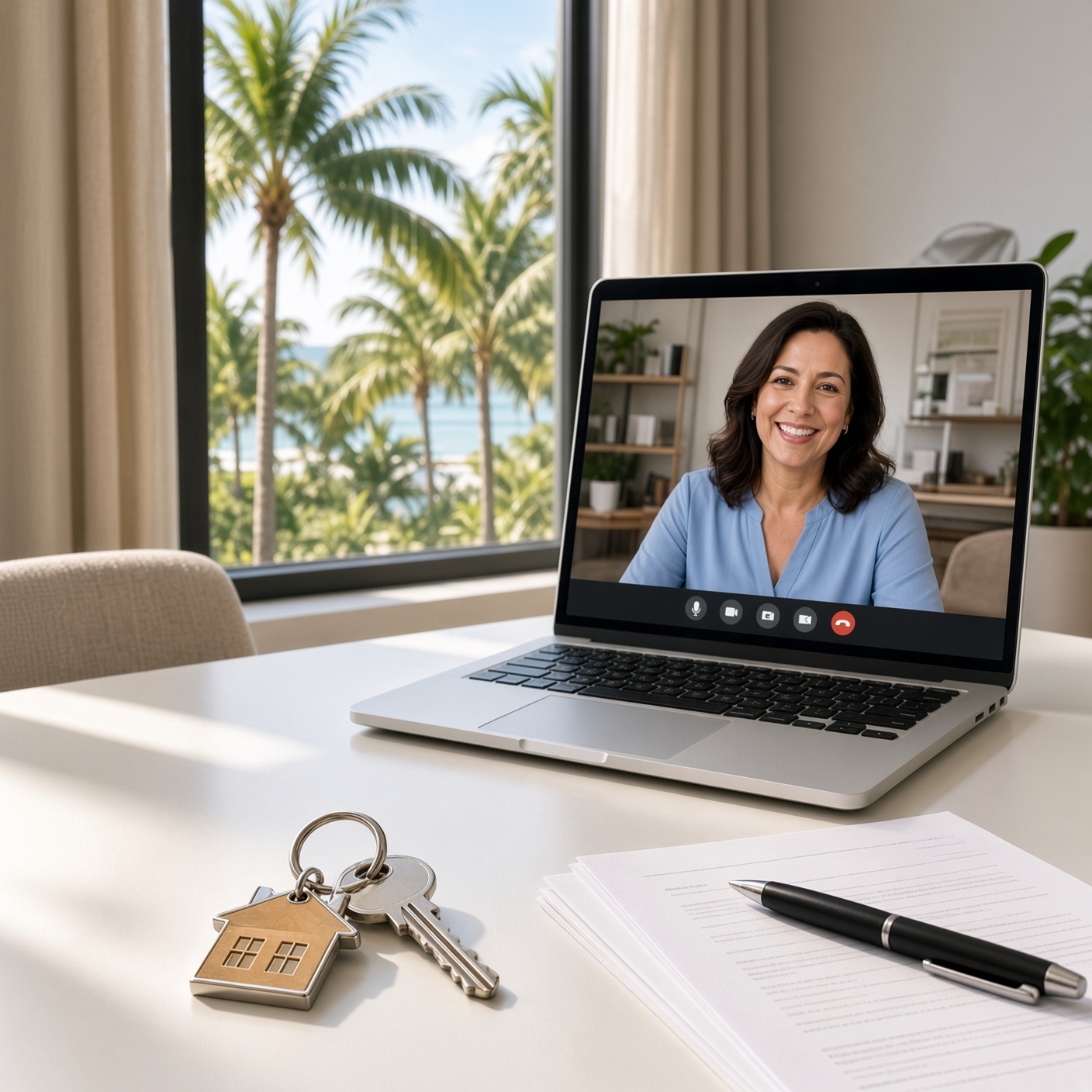
What Are the Remote Closing Methods Available in Florida?
One of the most recent closing protocols to be introduced for remote closings is Remote Online Notarization (RON). For this closing, the buyer signs documents through a live, online audio-video session, which must be conducted by a notary public who has acquired state training and registration for online closings and who uses State of Florida-approved RON technology,
A more traditional method is the mail-away closing. For this closing, the title company prepares all of the necessary documents and ships the package to the buyer’s location. The signing must take place in the presence of an approved local notary, who then mails the signed documents back to the Florida title company.
A buyer can use the power of attorney (POA) to designate someone in Florida to sign on their behalf. The POA must be crafted in a very specific way to explicitly grant the power to the person named to buy real estate and sign the mortgage documents, as well as all other documents in the closing package.
What Steps Must a Homebuyer Take to Ensure a Remote Closing Can Take Place?
The most crucial step a buyer can take to prepare for a remote closing is to alert their real estate agent and title company early in the process as to which type of closing they want to use so the title company has sufficient time to make the necessary arrangements.
The buyer must also ensure that their mortgage lending and title companies will accept the particular method they have chosen.
What Are the Risks Associated with Remote Closings?
The primary risk, as with all real estate closings, is wire fraud. Lenders, title agents, homebuyers and sellers should all be educated on the red flags of wire fraud and invoke safety measures to ensure funds are not inadvertently diverted by fraudsters attempting to intervene in the transaction.
Homebuyers must confirm their desire for a remote closing early in the transaction process or risk delaying the transaction.
Article X, Section 4(c) of the Florida Constitution requires a homebuyer’s spouse to sign both conveyance documents and mortgage documents for a purchase that will become their primary residence or homestead. This is required even if only the primary spouse’s name will be on the title of the property. If both signatures are not on the documents, the sale would be considered legally void.
And finally, to ensure all goes well in a remote closing, buyers should choose a title company who is experienced in managing such transactions.


